“Metro Management Unit – “METAV


The Tel Aviv Metro is a three-line underground railway system designed to complement the Light Rail. It aims to extend the line network to more distant suburbs—Kfar Saba and Ra’anana in the north, Petah Tikva in the east, and Rehovot in the south—significantly shortening travel times to employment centers in Tel Aviv.

The estimated cost of the entire system is approximately NIS 150 billion.

The Tel Aviv Metro network is the largest infrastructure project ever built in Israel and consists of:

  • 3 lines (M1, M2, M3)
  • 150 km of route (139 km of twin tunnels)
  • 109 stations and approximately 50 railway facilities such as crossovers, termini, storage pockets, etc.
  • 7 Park & Ride facilities (מתח”מים can also mean large transportation hubs)
  • 4 maintenance and stabling centers

Phase A of the Metro includes 78.5 km for 3 metro lines, and Phase B includes 71.5 km.

The METAV Network Management, a collaboration between Gadish Group and the global company Egis, comprises dozens of expert professionals from Israel and around the world.

The main stages of the Metro plan are:

  • Conceptual and Strategic Planning (Pre-Development Phase)
  • Full planning for all preliminary works and preliminary design up to reference design for DB (Design-Build) tenders, covering both civil engineering and railway systems works (Development)
  • Handover
  • Operation

We are currently in the preliminary design up to reference design (Development) phase. This stage includes reference design for civil engineering tenders, which will be issued in several sections (Infra 1), and reference design for MEP (Mechanical, Electrical, and Plumbing), finishes, and railway systems tenders, including rolling stock. This planning phase also includes full design for all preliminary works (preliminary works for depot compounds, infrastructure diversions, acoustic protection, and launching shafts for TBM machines).
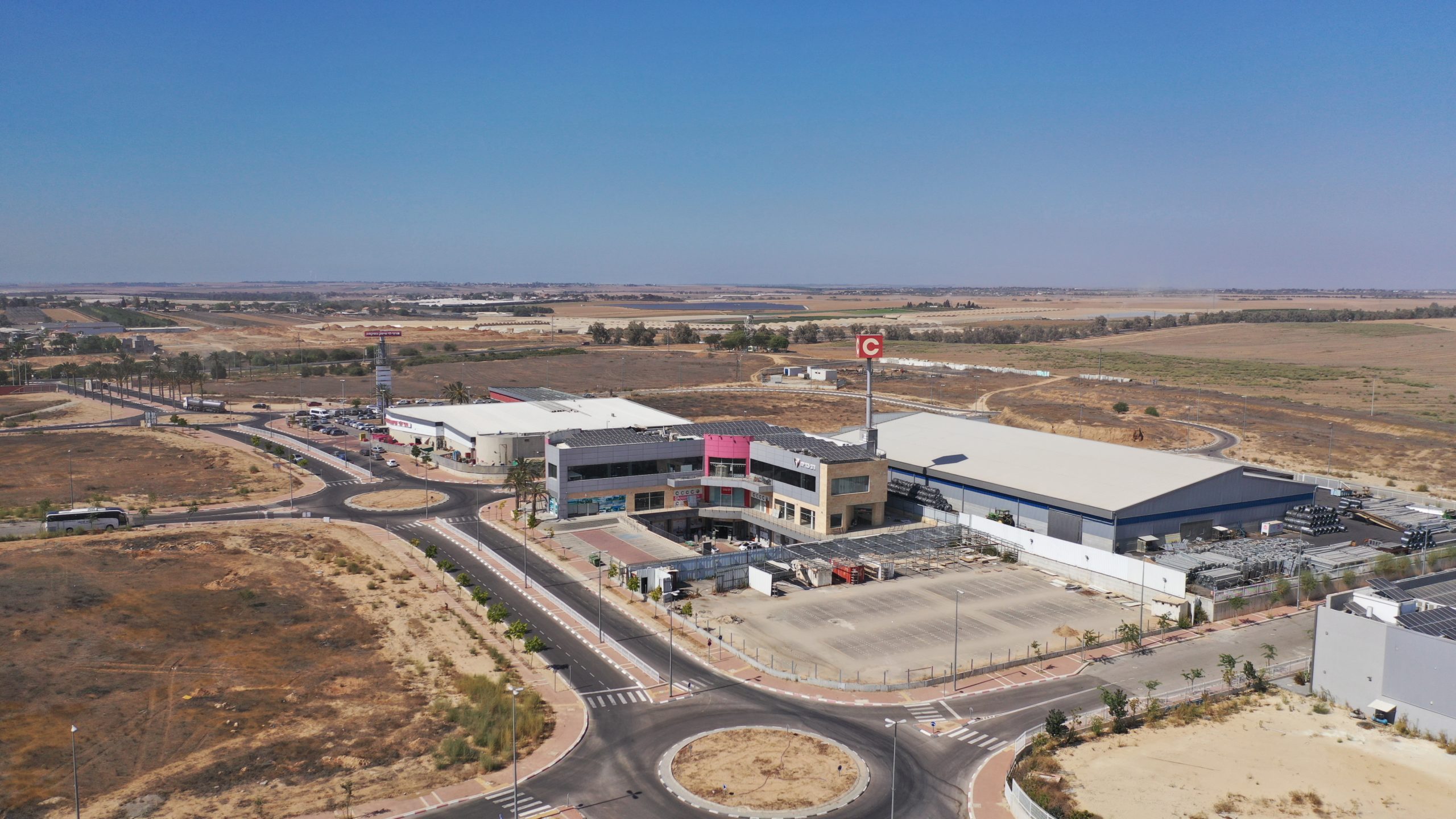
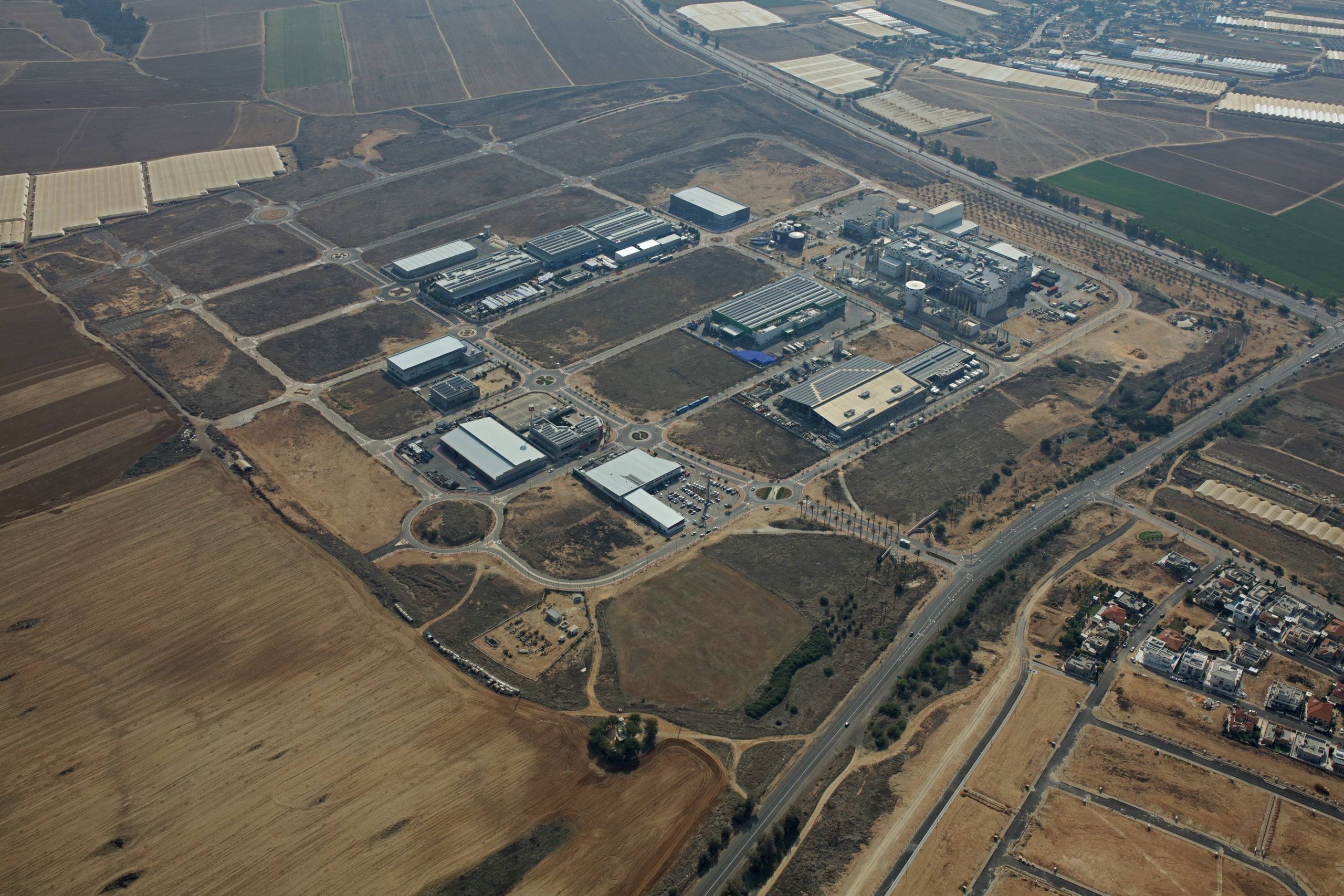
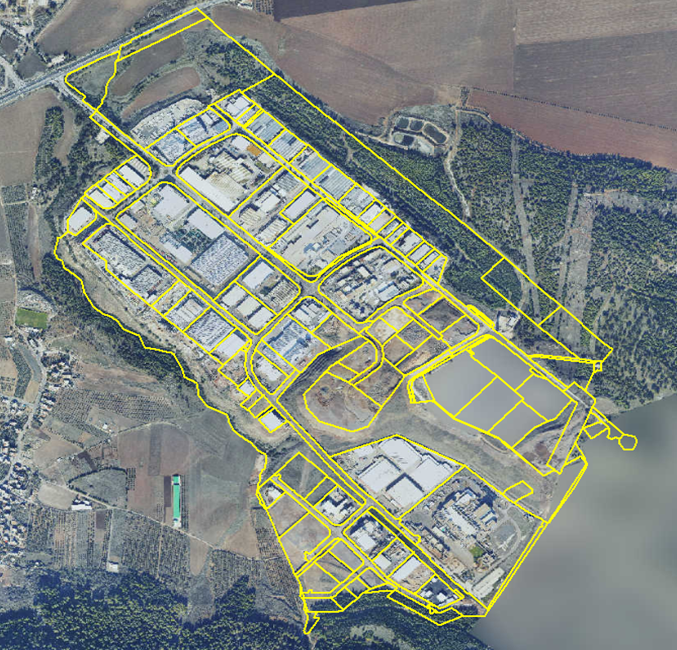
Emek Sarah Industrial Zone

Gadish was chosen to be the managing company on behalf of the Ministry of Economics to develop this industrial zone, including managing the zoning plans proceedings, detailed planning management and execution management, including road sub-grading, subterranean infrastructure, development, landscape and irrigation.

N.A.M. Industrial Zone

Gadish was chosen to be the managing company on behalf of the Ministry of Economics to develop this industrial zone, including managing the zoning plans proceedings, detailed planning management and execution management, including road sub-grading, subterranean infrastructure, development, landscape and irrigation, and building a sewage pumping station.

The Alon Tavor Industrial Zone

Gadish was chosen to be the managing company on behalf of the Ministry of Economics to develop about 50 industrial zones in northern Israel, including the planning management for zoning plans, detailed planning execution and execution management.

Main Operations in the Alon Tavor Industrial Zone:

Completing the stabilization of the slope of Carmel Wineries, completing the landscape development in the existing/populated area, pre-development works in Expansion A, zoning planning for Expansion B, zoning planning: pretreatment reservoirs, sewage pumping station, open public spaces and a water pool).

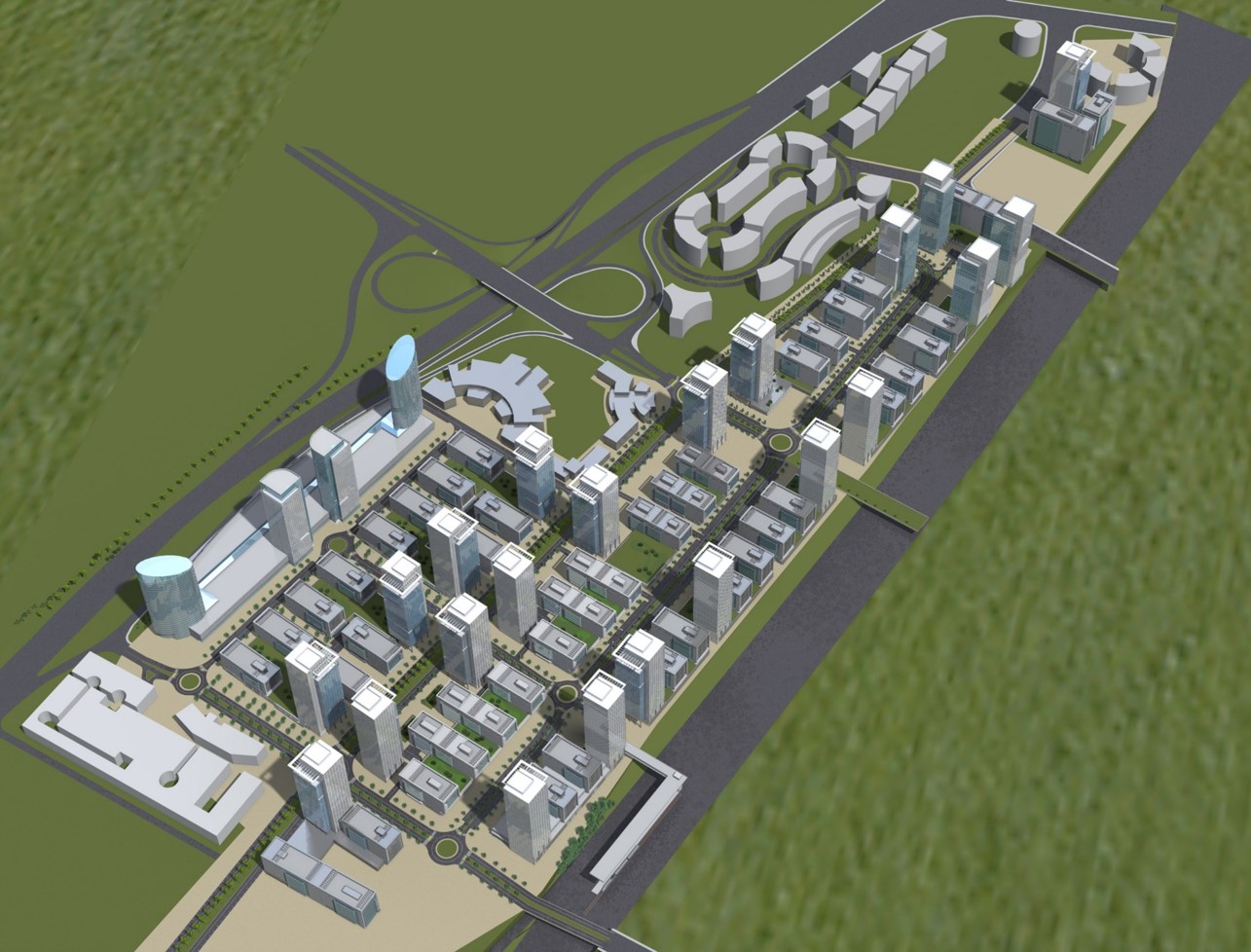
North Glilot Employment Center

Gadish received an important role in the project of the North Glilot Employment Center project which would cover an area of more than 700 dunams and is planned for knowledge-intensive and commerce office buildings. The project is located north of Herzliya’s Cinema City between Road 2 to the west and the Ayalon Highway to the east.

The project includes about 2.0 kilometers of internal two-lane roads, several roundabouts, “wet” infrastructures of drainage, water and sewage, streetlights and landscape development including bike lanes, an irrigation system and gardening.

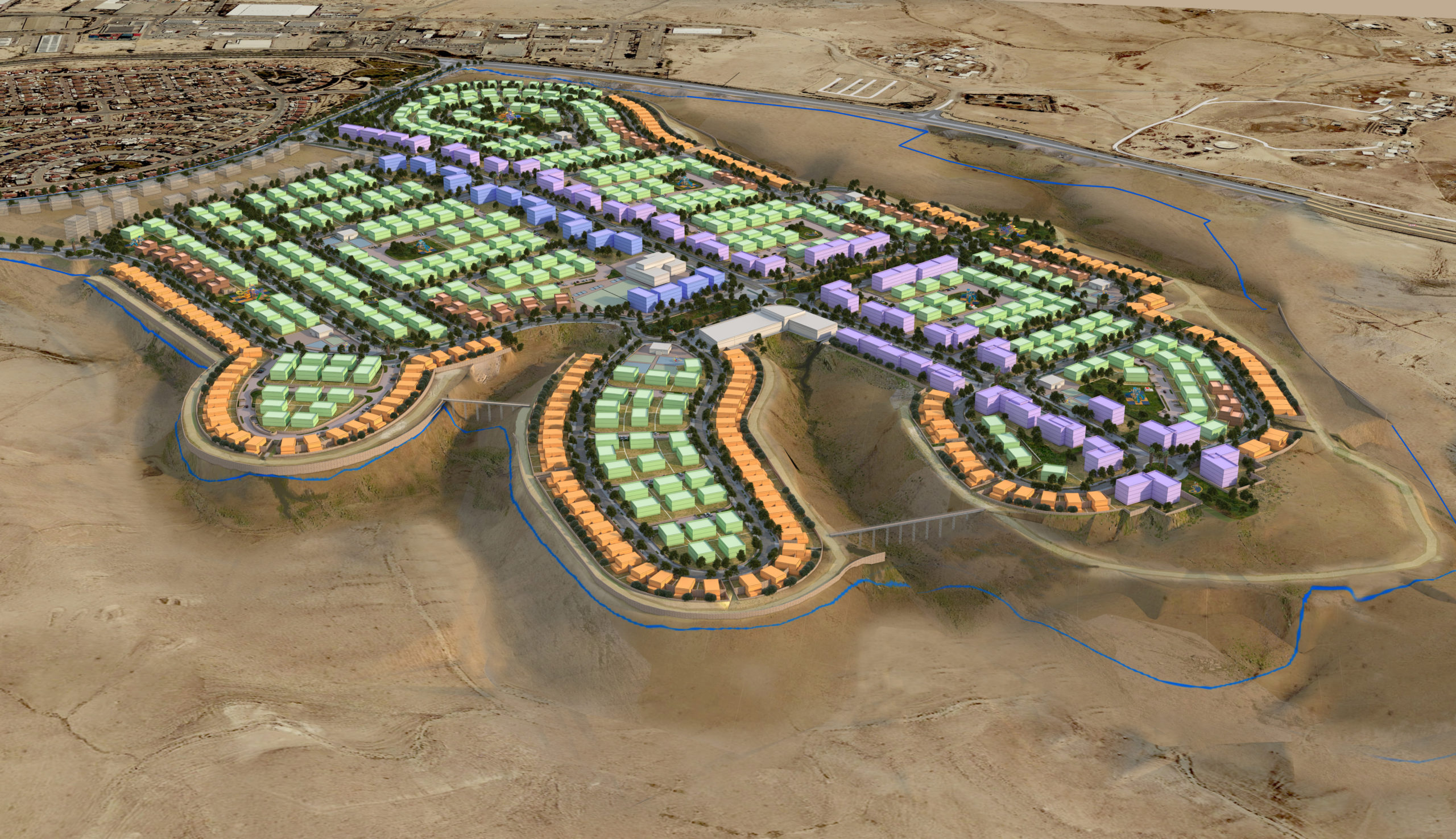
Bir al-Maksur

Gadish was chosen to serve as an administration on behalf of the ILA in the construction of a 720-apartment neighborhood and a light industry and workshops complex. The area of this plan is about 582 dunams. The plan includes two-family and three-family houses, and apartments in residential buildings. The plan is located at the eastern side of the town of Bir al-Maksur near its border.

Quarter 12 in the City of Arad

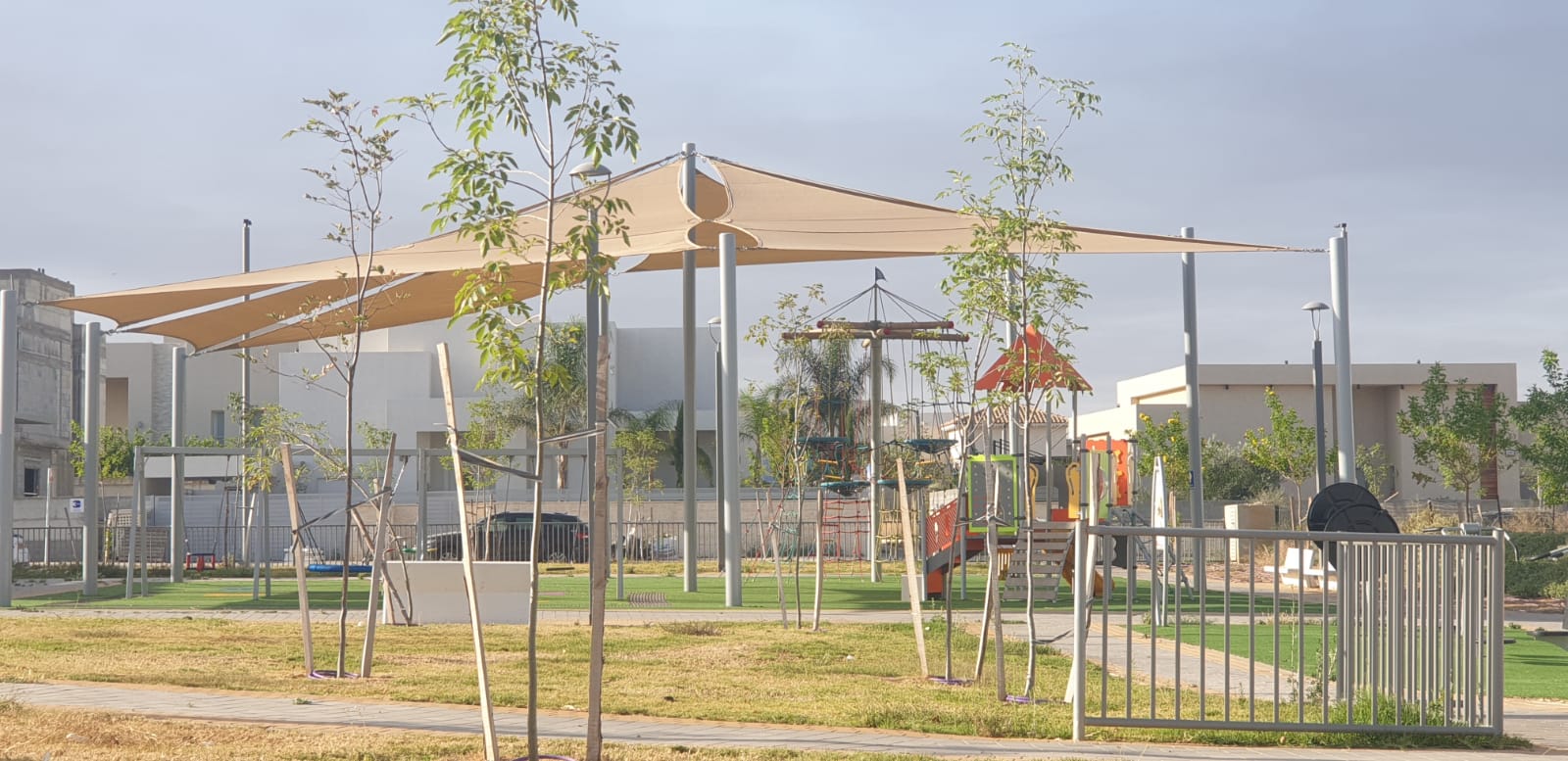
Gadish was chosen to be the managing company for developing Quarter 12 of the city of Arad. Building a residential neighborhood which includes 1,250 housing units on a self-build basis and the construction of commerce and public buildings.

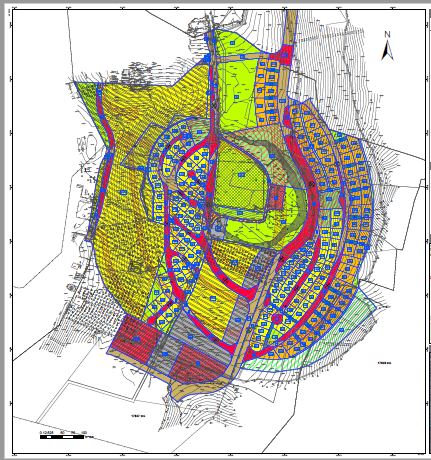
The Southern Neighborhoods – Meitar

Gadish was chosen to plan the expansion of the settlement through the development of 1,077 dunams of land into residential areas. The residential neighborhood would include 816 housing units, divided into two main complexes that would be separated by the streams of Nahal Hebron and a forest, commerce areas, structures, public institutes and open public spaces.

The planning included: coordination with the KKL and the planning institute on the topic of removing the forest area from Tama 22 and locating an alternative area, drafting appendices for canceling the existing sewage treatment facility and coordinating with the Ministry of Health to reach an alternative end solution, canceling an approved plan for a waste disposal site, responding to the objections which were filed to the plan and presenting them in the discussions of the objections sub-committee

Developing Transportation Projects in Minority Settlements

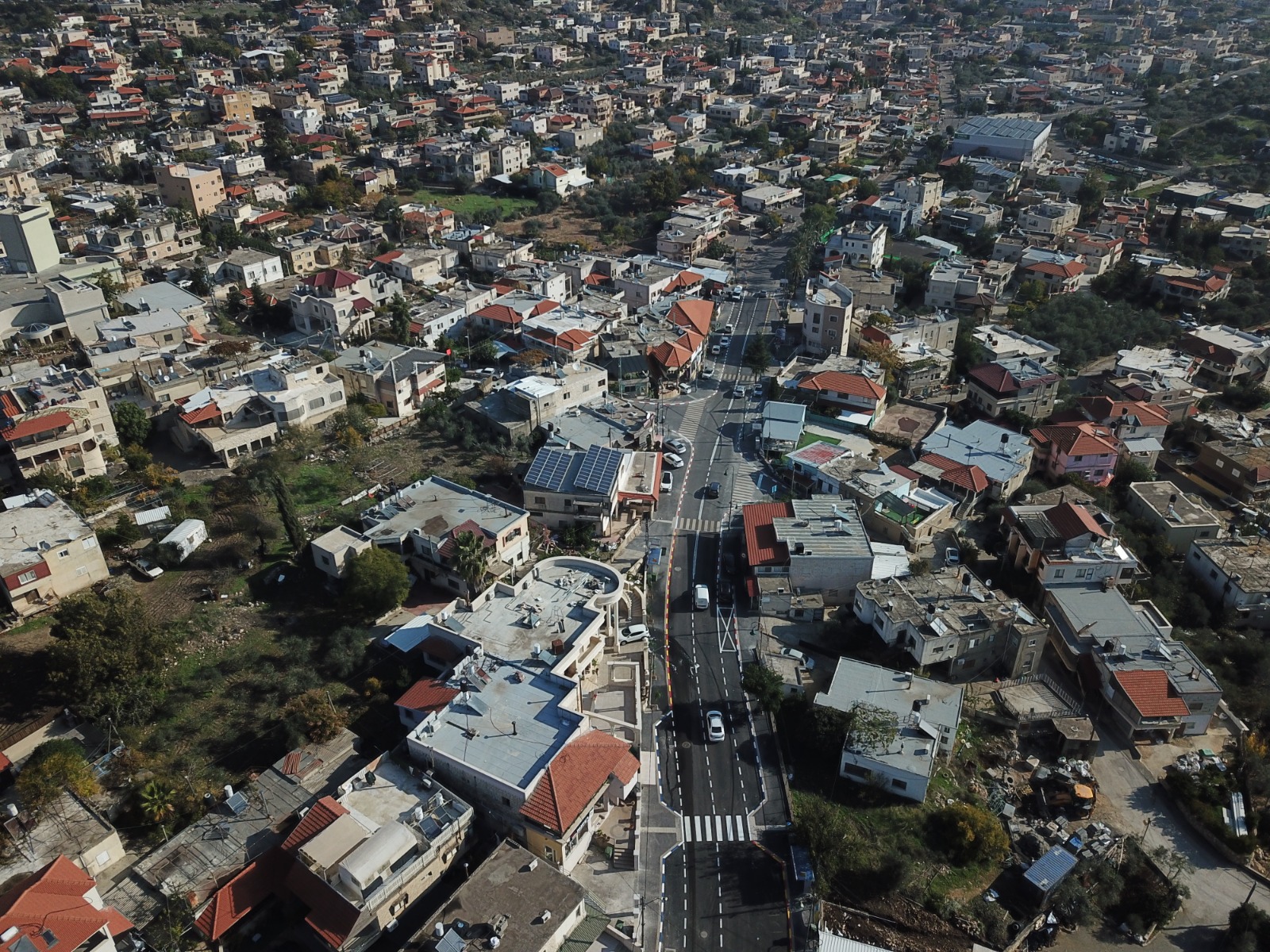
Gadish served as the “management company” since 2000 and since 2009 until today it has been serving as a “supervising company” on behalf of the Ministry of Transportation, for a variety of transportation projects, in minority settlements across Israel. Its role includes managing or supervising public infrastructure works, building and paving road segments, junctions, roundabouts, lighting, installing safety accessories, retaining walls, drainage works and more.

Road 9

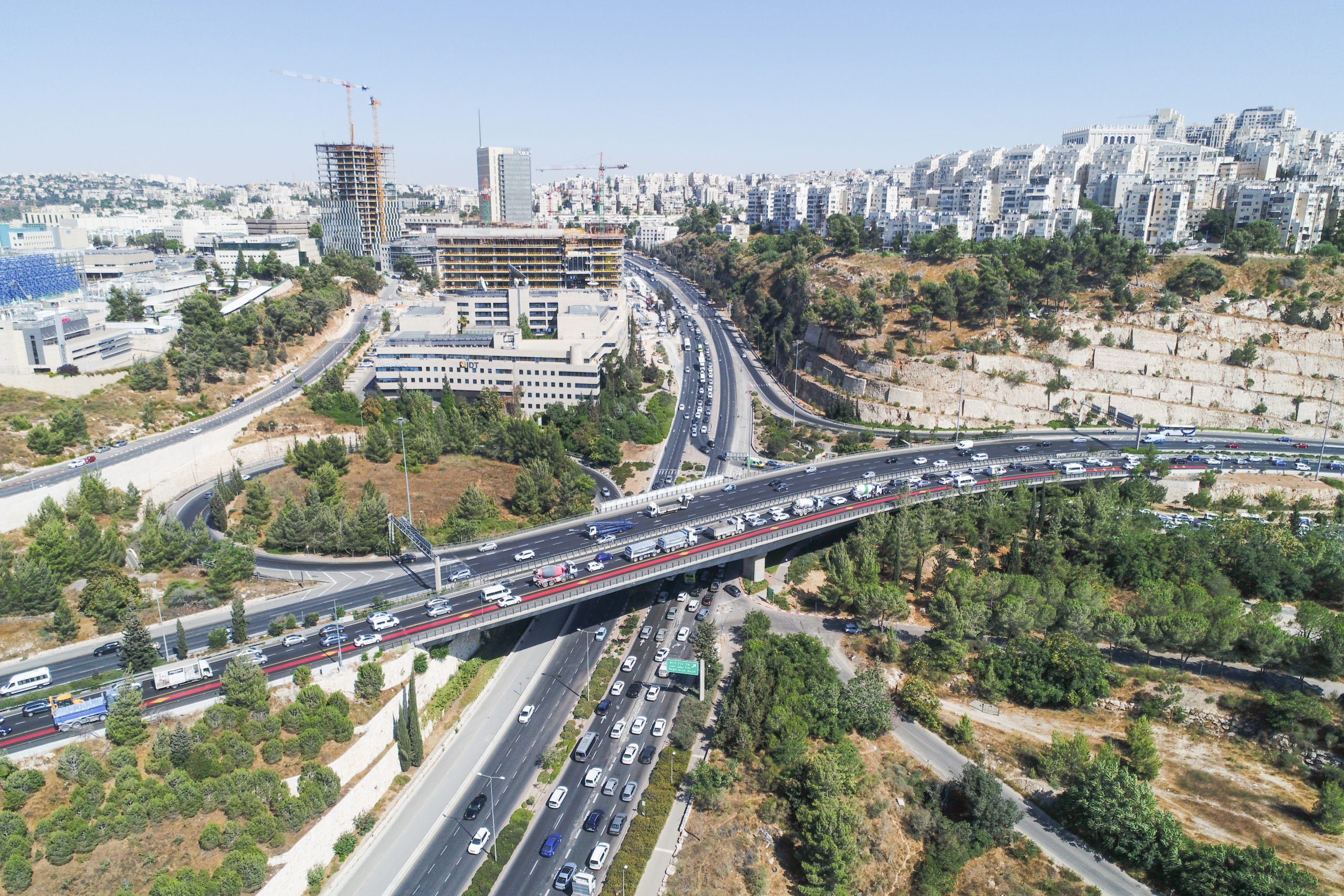
The project was ordered by the Ministry of Transportation, the Jerusalem Municipality and Moriah Company Ltd. This road constitutes an addition western entrance to Jerusalem, connects national Road 1 from Motza to the neighborhood of Ramot Shlomo in northern Jerusalem. The road is about 4.8 kilometers long, with two lanes in each direction, and it includes: 2 complex interchanges, 6 bridges and 2 tunnels with an overall length of 700 meters, which were executed through boring, while supporting with rock blots and shotcrete, with a finishing of mold-cast concrete

The construction of the bridges in the interchange was executed with an overhead crane (gantry crane), which enabled to install the bridge elements above the steep slopes of Emek HaArazim and with height differentials of about 40 meters. The execution of works in this method protected the nature and environment along the project